Installing a wall-mounted heat pump: the steps, from quote to commissioning
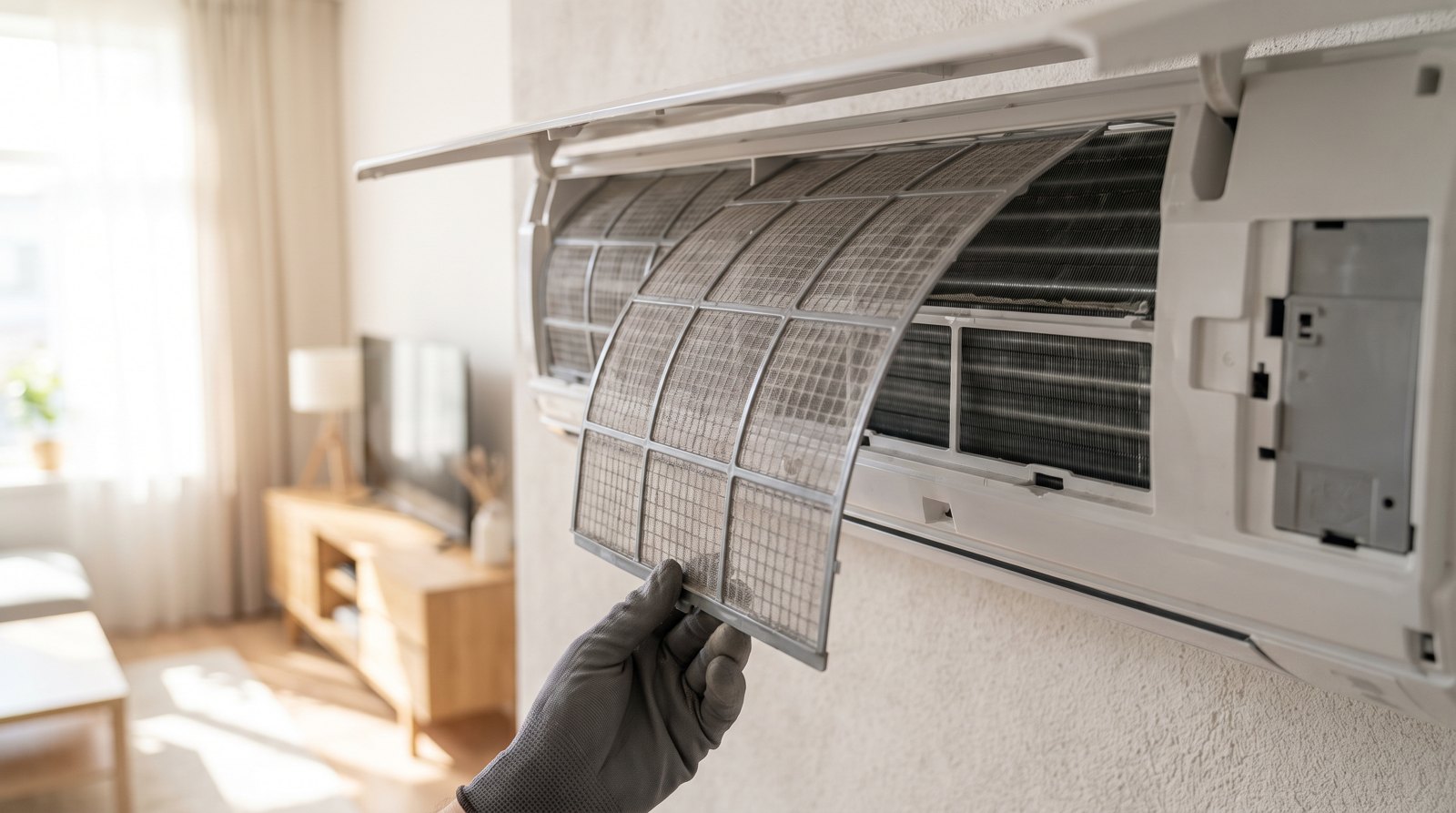
Installing a wall-mounted heat pump follows a logical order: home assessment, load calculation, location selection, written quote, installation, commissioning, and document filing. Each step involves specific requirements for the contractor, which this guide presents in order.
Key points
- Home assessment comes first : insulation, airtightness, and the electrical panel all influence the size of the unit.
- Sizing is based on a load calculation using a recognized method, such as the CSA-F280-12 standard.
- A halocarbon qualification certificate and RBQ licenses are mandatory for the contractor installing the unit.
- The written quote must specify the unit, the indoor heads, and the electrical work before the contract is signed.
- The duration of the work depends on the number of units and the electrical work required.
- The LogisVert application must be submitted within 9 months following installation.
First and foremost: assess the home
A visit from the installer allows for an assessment of the insulation and electrical panel, as well as the identification of air leaks. These factors determine the required capacity and the work to be planned.
It is recommended toreduce heat loss before installing a heat pump. A smaller unit may then be sufficient, and it will operate more efficiently.
The electrical panel deserves a check. Government of Quebec indicates that the electrical service must have sufficient capacity to allow for the connection, which is generally the case. Depending on the size of the unit, Natural Resources Canada (NRCan) note that modifications to the electrical system may be required.
Properly sizing your wall-mounted heat pump
NRCan recommends having a professional perform a load calculation using a recognized method, such as the CSA-F280-12 standard. Determining the right size for the unit maximizes seasonal efficiency.
An undersized heat pump forces your backup heating system to work harder. An oversized heat pump produces too much heat in mild weather, cycles on and off frequently, and leads to discomfort and premature wear.
NRCan offers a free kit, including a guide and an interactive tool. This tool defines the configuration, indoor unit types, heating and cooling loads, location, and target capacity. To learn more, check out our articles on how to choose the ideal heat pump capacity for your home and on how to choose the right heat pump.
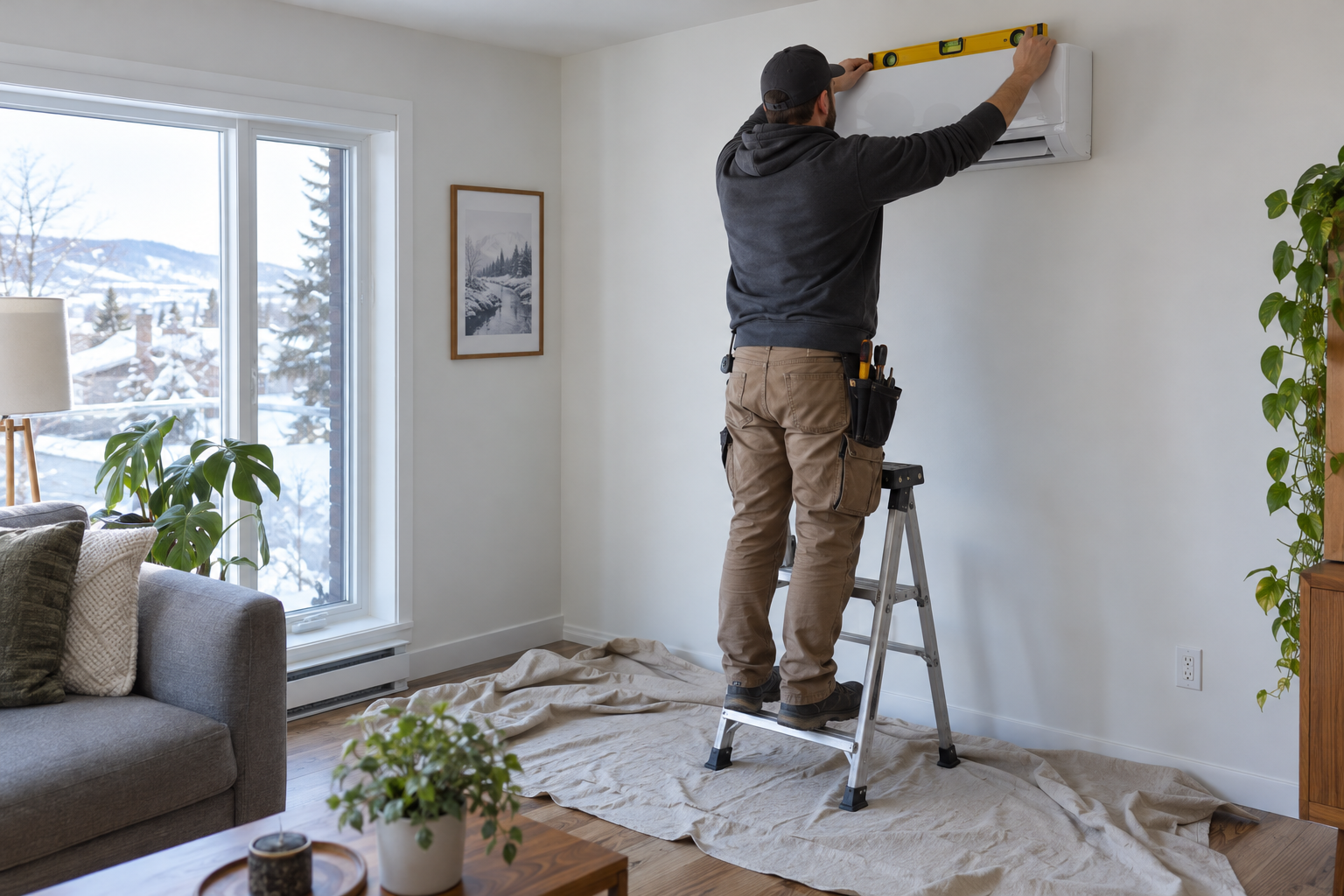
The wall unit must be installed according to the manufacturer's instructions.
Choosing the location for the units
Location affects efficiency, comfort, and perceived noise. In a ductless system, the indoor unit is wall-mounted or floor-mounted. A single-split system connects one indoor unit to one outdoor unit. A multi-split system connects several indoor units to a single outdoor unit.
The indoor unit
The indoor unit should be placed in a room where air can circulate freely to the rest of the house. Avoid hiding it behind furniture or curtains. In a bedroom, the airflow should not be directed straight at the bed.
There is no universal rule for installation height. Follow the manufacturer's installation instructions and confirm your choice with your installer. The proximity of a window or door can also affect performance.
The outdoor unit
The outdoor unit typically houses the heat exchanger coil, the compressor, and the expansion valve. Hydro-Québec recommends keeping the outdoor unit clear of snow, ice, leaves, and vegetation.
Place it in a spot sheltered from water dripping off the roof. Also, check with your municipality regarding the noise and location regulations, as suggested by the Government of Quebec.
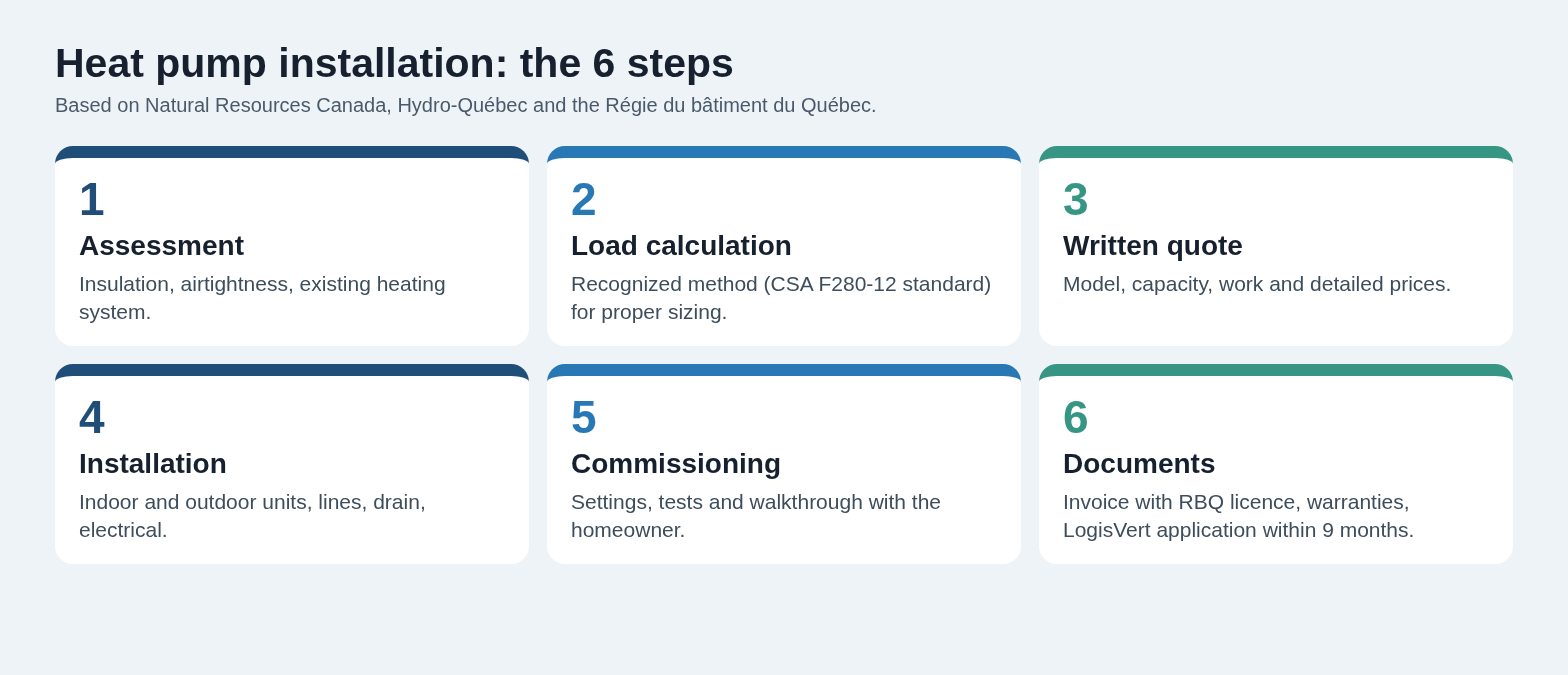
The key steps of an installation, from assessment to documentation.
The quote, the contract, and the licenses
The written quote must describe the unit, the number of indoor units, the electrical work, and the accessories. According to NRCan, the cost depends on the type of system, the ductwork, and the existing electrical installation. No amount can replace a quote provided after an on-site visit.
In Quebec,anyone performing residential renovation work must hold an RBQ license. For a heat pump, the contractor must hold the required subcategories, for example 15.1 or 15.7 or 15.8, and 15.9 or 15.10. Electrical work requires subcategory 16. A contractor offering a turnkey service must hold all these licenses or a general contractor's license (1.2 or 1.3).
Thehalocarbon qualification certificate is mandatory for installing the unit and handling refrigerant, according to the Government of Quebec. Ask to see this certificate. Our article on choosing an RBQ-licensed heat pump installer details the verification process.
The RBQ states that door-to-door sales of heat pumps are prohibited. Be wary of free inspections that reveal urgent problems or high-interest financing contracts.
DIY installation is not an option: handling refrigerant requires a halocarbon certificate, and LogisVert requires an invoice from a company with an RBQ license number. For an installation of wall-mounted and central heat pumps, financing of "up to 6 months with no payments or interest" is available (financing). Assistance of "up to $5,400 with the units we install" is described on the page grants.
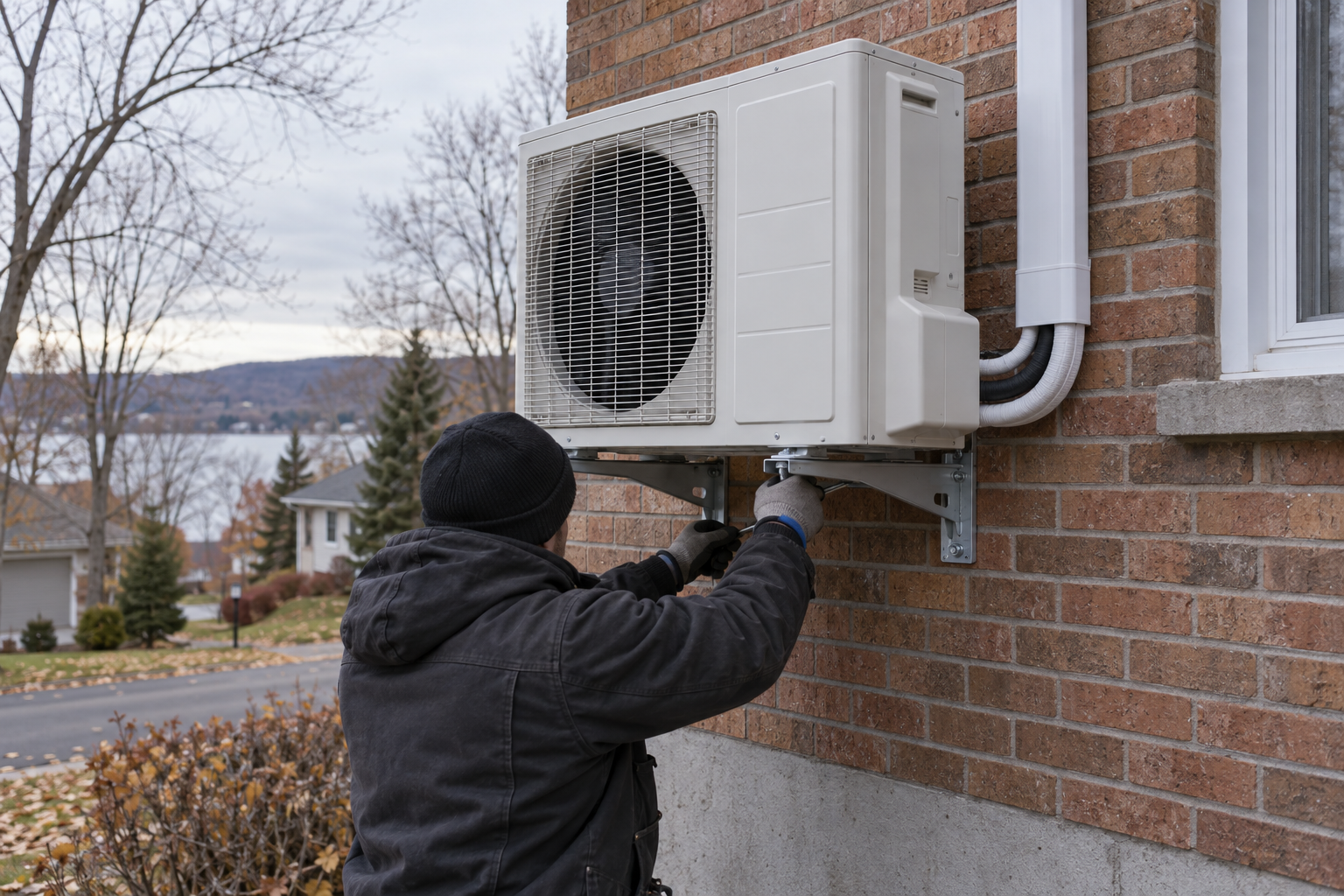
The outdoor unit must remain clear and protected from roof runoff.
On the day of installation
The duration depends on the number of units and the electrical work required. The installation generally follows this order:
- Installation of the outdoor unit mounts and the indoor wall bracket.
- Routing the refrigerant lines through the wall.
- Installation of the condensate drain line, which carries away the water produced by the unit.
- Electrical connection by a qualified professional.
- Handling and charging of the refrigerant by a certified halocarbon technician.
For homes in Laval, Terrebonne, or Montreal, you can consult our pages on heat pump installation in Laval, in Terrebonne and in Montreal.
Commissioning and initial settings
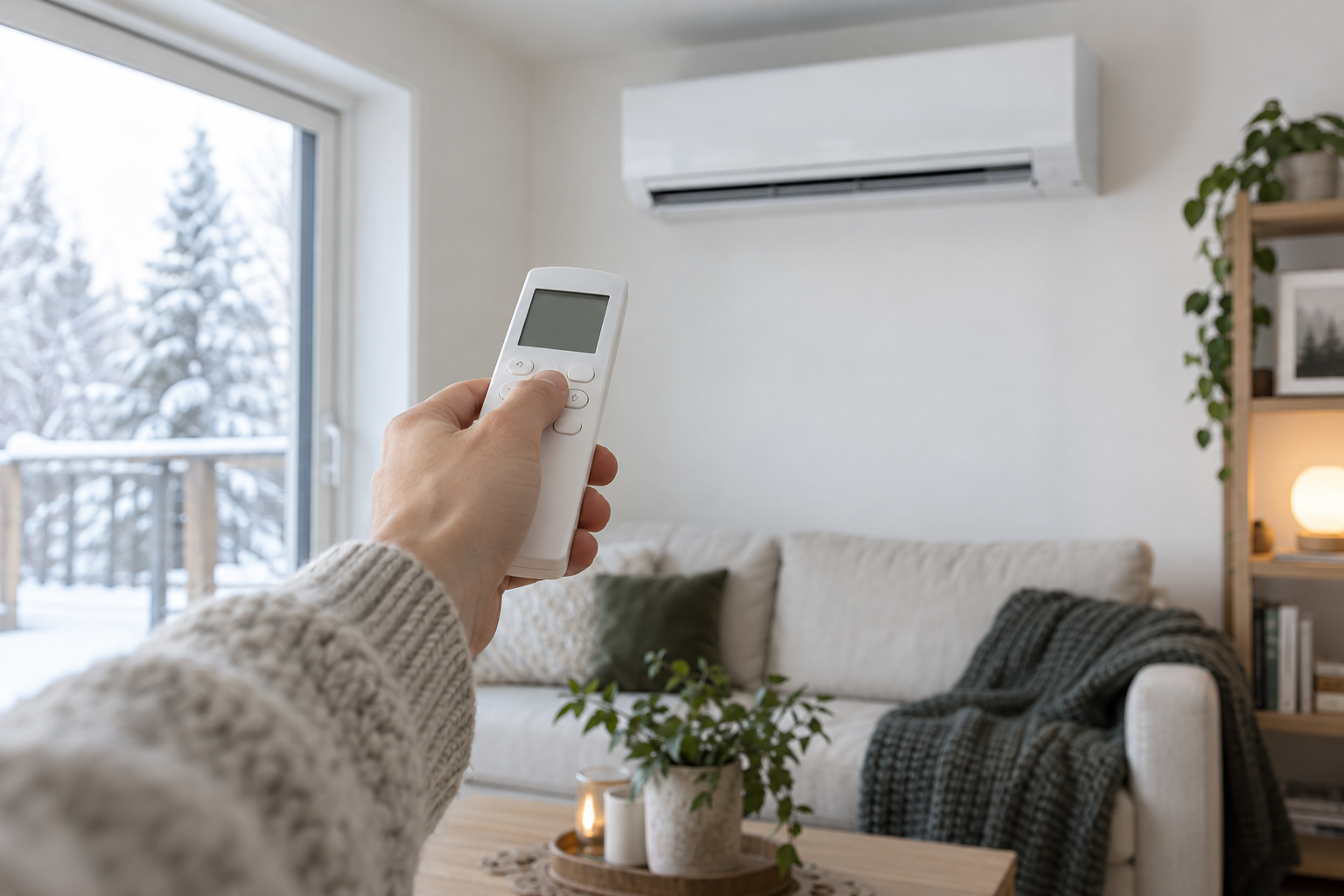
The technician will verify the heating and cooling functions, then explain how to use the remote control and perform maintenance. Ask for a full demonstration.
In winter, use the heating mode and avoid "Auto" mode. Set the heat pump to a comfortable temperature, such as 22°C, and maintain a constant temperature. NRCan recommends setting electric baseboards 2°C to 3°C below the set pointof the heat pump.
Most units have a minimum operating temperature between -15°C and -25°C. Below this, capacity drops and auxiliary heating takes over. Manufacturers recommend cleaning the filters once a month during periods of heavy use with room-temperature water, then drying them completely away from direct sunlight.
Documents to keep
Keep the detailed invoice, which includes the company's 10-digit RBQ license number. Take a photo of the unit's nameplate and keep all warranty documents.
Depending on Hydro-Québec applications for the LogisVert program must be submitted within nine months of installation, along with proof of ownership, invoices, and a photo of the nameplate. The unit must be new, ENERGY STAR® certified, and purchased and installed in Quebec. Hydro-Québec does not solicit customers by phone or door-to-door.
Frequently asked questions about wall-mounted heat pump installation


Guarantee: No traces, no stress — only lasting results.
5,000+
96%
$6,275