Wall-mounted or central heat pump: making the right choice
A single system that heats in winter and cools in summer, sized for your home and installed by a team holding the licenses required for the grant.

Savings: Up to 40% on your energy costs compared to traditional systems
Grants: Get up to $5,400 back with the systems we install (LogisVert and Rénoclimat)
Comfort: Stabilized temperature and humidity in every season
Everything you need to know about heat pumps
A heat pump moves heat rather than generating it, which explains its energy efficiency in Quebec. The right system for you depends primarily on your home: ductwork, zones to be heated, layout, and heating requirements.
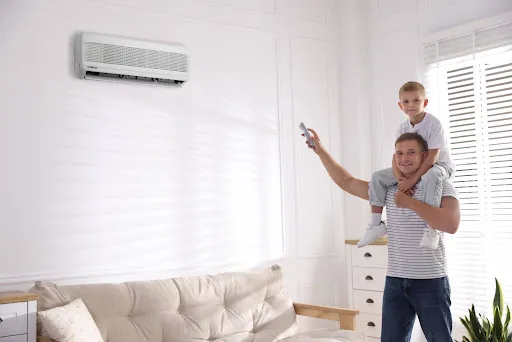
How a heat pump works
In heating mode, the outdoor unit captures heat from the cold air, concentrates it, and then transfers it indoors. In summer, the cycle reverses, and heat from the home is expelled outside. A single unit therefore replaces your July air conditioner and handles a significant portion of your January heating.
Electricity is used here only to circulate this heat. This explains the unit's energy efficiency and why its performance depends on the outdoor temperature: the colder it gets, the more its capacity decreases, until the point where a backup heating system takes over.
Central heat pump: a duct network already in place
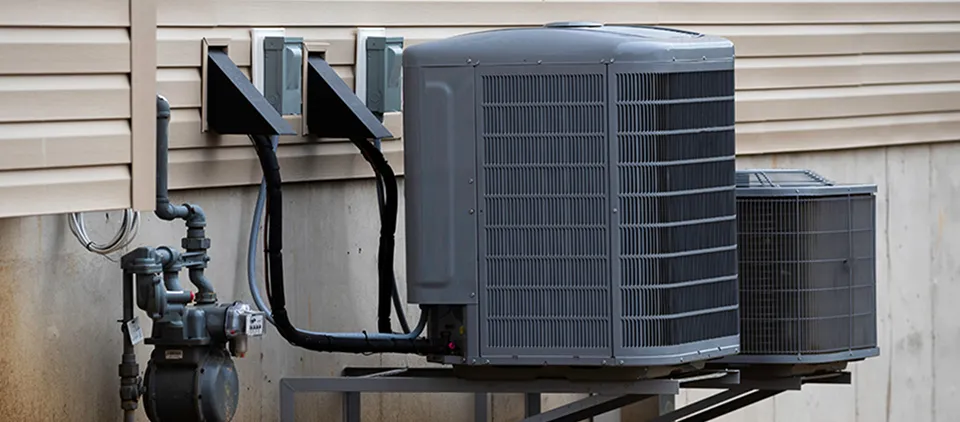
A central unit is a split-system air-to-air setup: an outdoor compressor, an indoor module, and a network of ventilation ducts that distributes air to every room. Comfort is uniform, and no units are visible in the living area. The system can also work alongside your dual-energy furnace, with the heat pump providing heating as long as the temperature allows, and the other equipment taking over when it drops lower.
The catch: you need existing ducts in good condition, or a budget for ductwork installation. It is the natural choice for homes already using forced-air heating, and for renovations where the walls are already open.
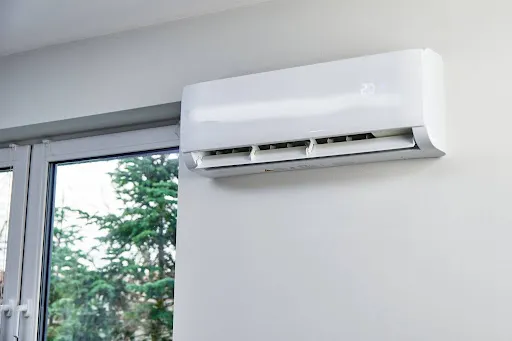
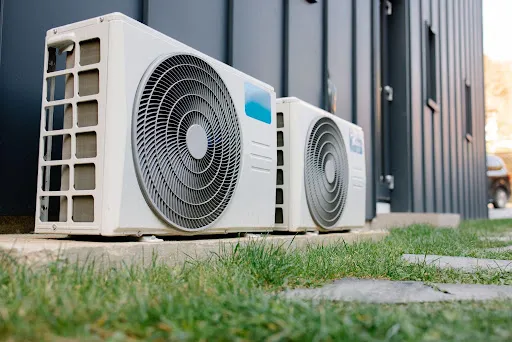
Wall-mounted heat pump: no ducts, one zone at a time
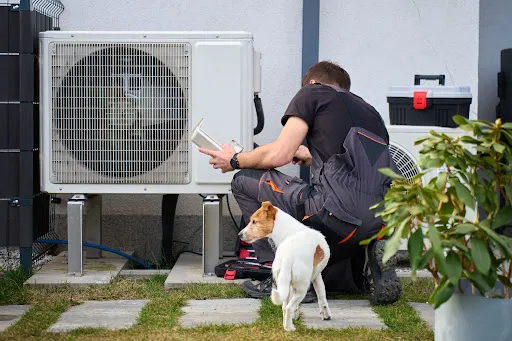
A wall-mounted unit is a mini-split system: an outdoor unit connected to one or more indoor units via simple refrigerant lines. There are no ducts to build, installation is quick, and comfort can be controlled room by room. The basement, the office, and the back bedroom no longer have to share the same thermostat.
Multi-zone systems work on this same principle: multiple indoor units, each with its own zone and its own settings. It is the standard solution for homes heated by electric baseboards, home additions, and dwellings that lack air distribution ductwork.
Wall-mounted or central: how to decide
Does your home have ductwork or a forced-air furnace? A central system is almost always the best choice, as the most expensive infrastructure is already in place. For electric baseboard heating, wall-mounted units avoid major renovations. And if you only need to cool two specific rooms, a single-zone wall unit is sufficient, whereas a central system would be oversized.
There is no magic square footage threshold. The deciding factors are the available air distribution, the layout of the rooms, the potential location for the outdoor unit, and the number of zones you want to control separately. That is exactly what our site visit is for.
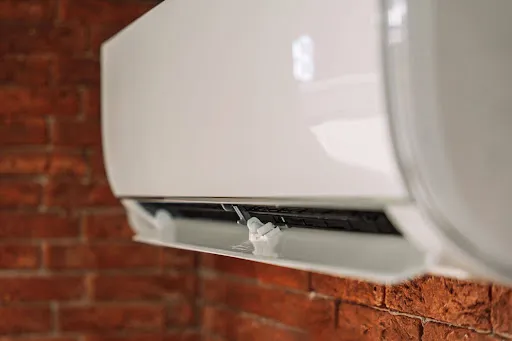
Sizing: BTUs, surface area, and performance at -8°C
Power is measured in BTU/h. An undersized system runs constantly yet still leaves the house cold. An oversized model cycles on and off too frequently, which wears out the compressor and fails to dehumidify properly. Since price scales with power, you end up paying for unnecessary BTUs. The calculation takes into account the surface area, insulation, number of windows, orientation, and the zones to be covered.
One key figure to remember: the capacity that counts for the subsidy is the one measured at -8°C, not the one printed on the box, and it is also the right figure for evaluating a system during a Quebec winter. We provide this calculation with our quote, free of charge.
Actual performance during a Quebec winter
A heat pump continues to produce heat well below freezing. However, its capacity decreases as the temperature drops, reaching a balance point: below this, an electric backup or furnace supplements the heating. A properly sized and well-adjusted system will get you through the season without any unpleasant surprises.
Hydro-Québec estimates savings of up to 40% on heating costs during the winter. This is a general figure, and your actual results will depend on your insulation, the system being replaced, and your personal habits. We would rather show you the math.
How the installation works
Each installation follows a precise process, including a licensed electrician and a follow-up one month later for fine-tuning.
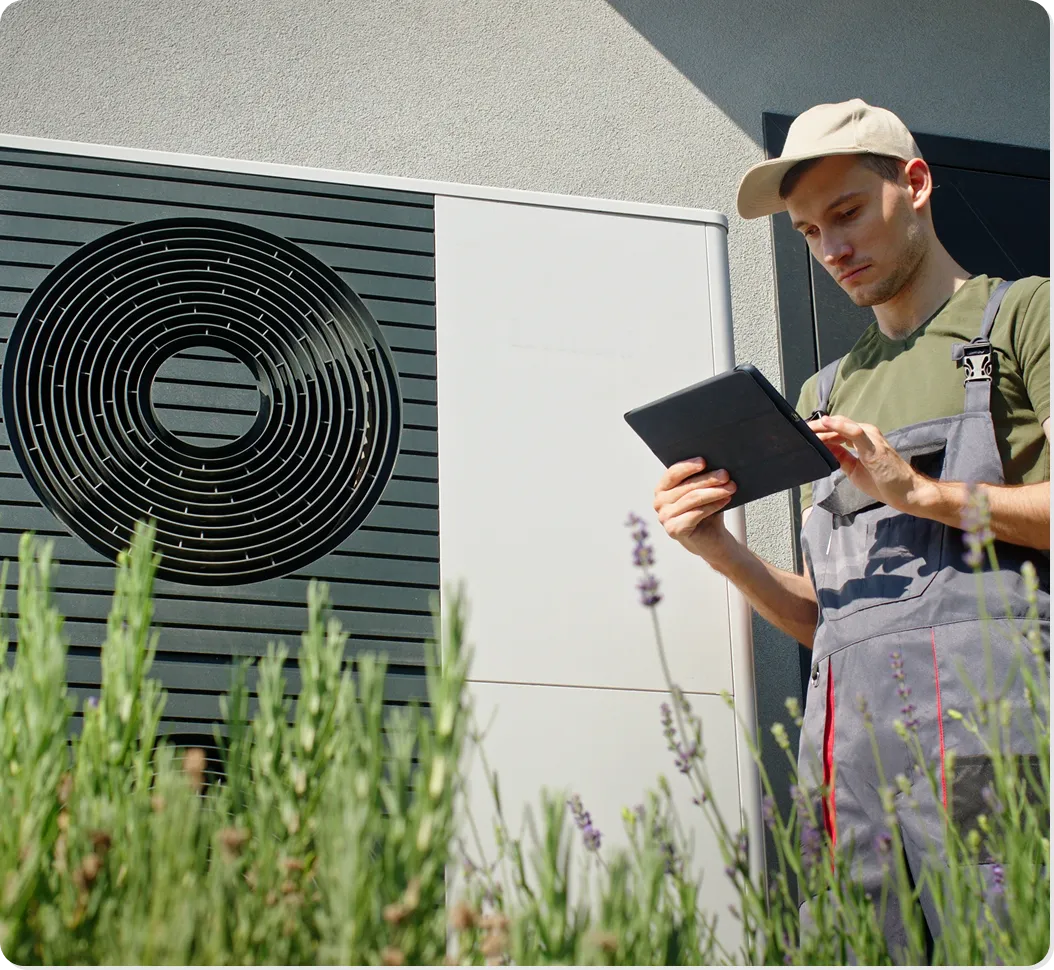
Site visit and load calculation
It all starts with a free consultation.
System selection
Wall-mounted or central, with the selected power and eligible model.
System installation
One day for a single-zone wall unit, and two days to connect a central system to ductwork.
Eligible appliances, subsidies paid
A wall-mounted or central heat pump is only eligible for subsidies if the model, the installer, and the work meet the program's requirements. We verify all three before ordering, and then provide you with equipment that is well-documented and easy to maintain.
As of November 26, 2025, only these models qualify for subsidies. Performance and AHRI number are on the technical data sheet.
$50 per 1,000 BTU/h at -8°C, $120 for a cold-climate model. RBQ licenses 15.1, 15.7, or 15.8 with 15.9 or 15.10.
In dual-energy mode, the heat pump provides heating as long as the temperature allows, and the furnace takes over when it drops below that point.
Our certified brands





Central vs wall-mounted heat pump
Advantages:
Heating/air conditioning of the whole house via existing ducts
Compatible with furnaces (dual energy system)
Better performance (SEER 18+)
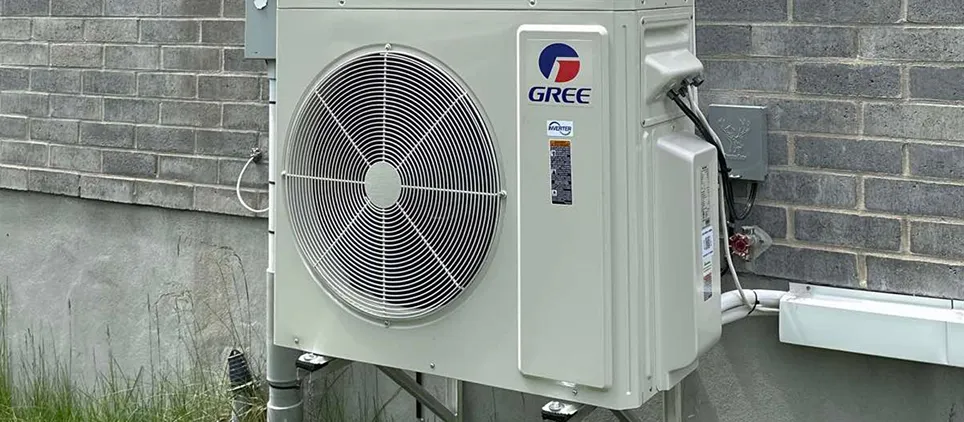
Advantages:
Installation in 1 day
Control piece by room
Silent (≤19 dB)

Special offer: get up to 6 months no-payment, no-interest financing with FinanceIt, on approved credit.
Get up to 6 months with no payments and no interest through FinanceIt (valid on all wall-mounted and central heat pumps from Gree, Goodman, TOSOT, QuébecVair, TurboFinn, Willis, and Comfort-Aire)


Frequently asked questions

Heat pump maintenance and lifespan
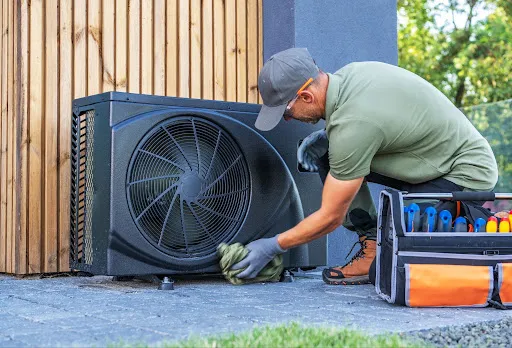
Maintenance is simple: clean or replace the filters monthly during the operating season, and keep the outdoor compressor clear of snow and ice. For a central system, the condition of the ventilation ducts is part of the inspection, just as it is for an air exchanger.
An annual service visit allows for checking the refrigerant charge, airflow, and defrost cycle. Well-maintained equipment retains its original capacity for much longer; a clogged filter costs you twice—once in comfort and again on your electricity bill.
Why choose Confort Prestige for your installation
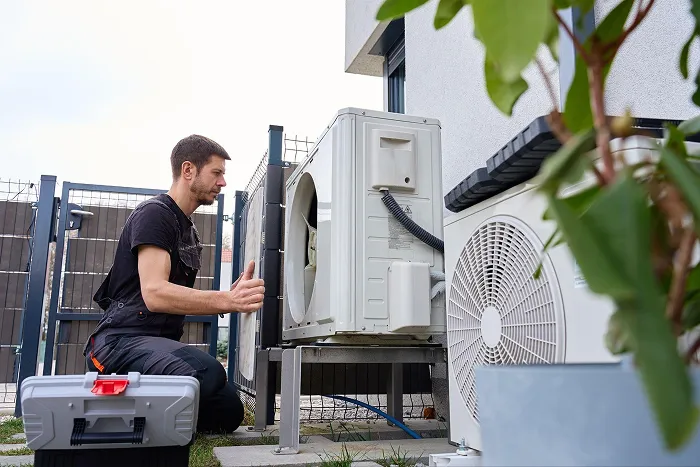
Our technicians install wall-mounted and central heat pumps in Terrebonne, Laval, the North Shore, and the Laurentians, holding the RBQ license required to qualify for government grants. We evaluate your existing heating system, calculate the exact BTU/h capacity your home requires, and return for final calibration. No generic estimates here.
Comfort validated. By real people.


READY TO BREATHE BETTER?
Service available 7 days a week in the Laurentians and throughout the North Shore – emergencies handled within 24 to 48 hours.


.avif)
.webp)