Electric furnace installation: choosing, replacing, and maintaining
A non-combustion forced-air central heating system, sized based on a load calculation rather than your square footage, and installed by a team holding a valid RBQ license.

kW capacity calculated for your home, at no extra cost
No combustion, so no risk of carbon monoxide
Converting from oil or propane to electricity
Free estimate, price confirmed after site visit
No more fuel odors or temperature fluctuations.
Everything you need to know about electric furnaces
An electric furnace heats the air using electric elements, and a fan then distributes this warm air throughout the home's ductwork. With no burner or chimney, maintenance is straightforward: just the filter, routine checks, and a few moving parts. The real challenge is choosing the right capacity and ensuring your electrical panel can handle the load.
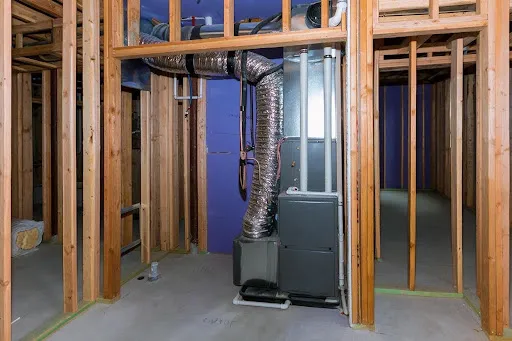
How it works, from the electrical panel to the ducts
When the thermostat calls for heat, the furnace elements activate in stages, and the blower distributes warm air throughout the ductwork. A variable-speed model modulates this airflow rather than delivering it all at once, resulting in more consistent temperatures from room to room and quieter operation during standard cycles.
Since there is no combustion, there are no exhaust gases, no need for combustion air intake, and no risk of carbon monoxide from the unit. The conversion efficiency is 100%: all electricity consumed is converted into heat. However, this figure does not reflect the cost, which depends on energy prices and the home's insulation.
Electric furnace, boiler, or baseboards: making the right choice
An electric furnace is the ideal choice if your home already has ductwork, or when replacing an existing oil, propane, or gas forced-air system. It heats, filters, and humidifies the air from a single unit, and the ductwork can also be used for central air conditioning.
Boilers, on the other hand, heat water for radiators or radiant flooring and do not filter the air. Electric baseboards are easy to install, but each room is controlled independently. Your existing system is often the primary factor in choosing the right solution.
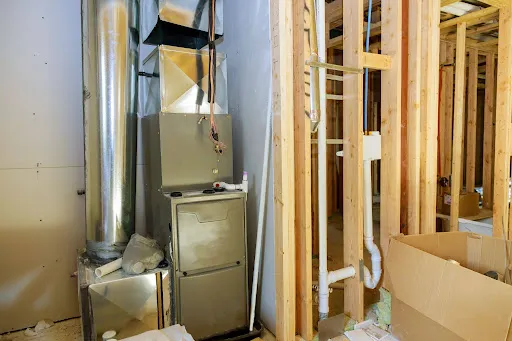
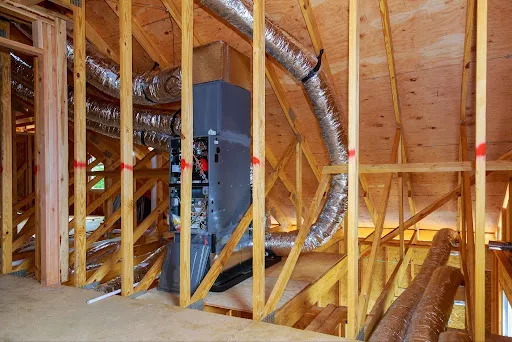
Furnace only or paired with a central heat pump
This decision has the greatest impact on your bill. An electric furnace converts one kilowatt-hour into one kilowatt-hour of heat, whereas a heat pump extracts heat from the outside air and delivers several times that amount for the same electricity, provided the temperature allows it.
With dual-energy systems, the heat pump handles heating for most of the season, and the furnace takes over during extreme cold. Hydro-Québec’s Rate DT allows for this automatic switch based on the outdoor temperature. Our advice: keep the furnace as a backup and let the heat pump do the work the rest of the time.
kW output, square footage, and load calculation
A furnace's output is measured in kilowatts. An undersized unit will run constantly yet still leave your home cold at -25°C. An oversized model will cycle on and off too frequently, heat unevenly, and cost you more for no reason.
Square footage alone isn't enough, and the size of the house is just one variable among many: a load calculation takes into account insulation, airtightness, the number and orientation of windows, ceiling height, and the total volume to be heated. You also need to check your electrical service and available panel space, as a high-capacity furnace requires its own dedicated power supply. This is the first figure we measure, and it's free of charge.
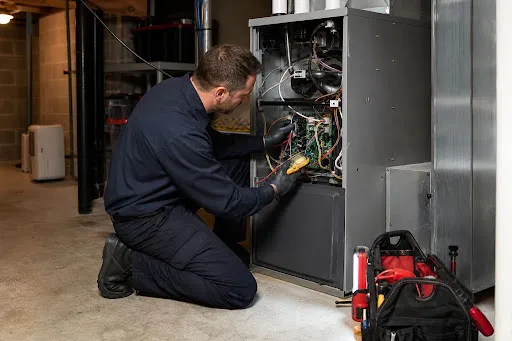
How the installation works
Every project follows the same steps, involving an electrical contractor for the power supply and a documented commissioning process.

Free analysis
Site visit and load calculation, including inspection of insulation, ducts, and the electrical panel.
Safe conversion
Removal of the old unit and selection of the new furnace, including oil tank decommissioning if necessary.
Complete installation
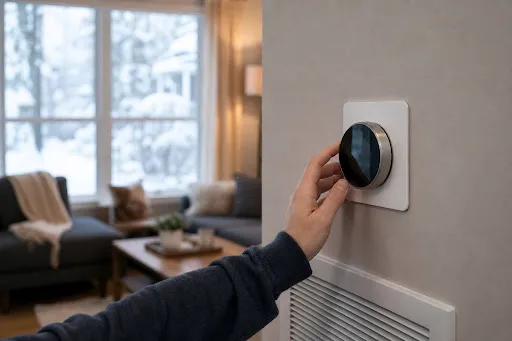
Duct connection, dedicated power supply, and thermostat installation.
Commissioning
Airflow, seal, and control verification, followed by room balancing.
Project costs and what is still subsidized in 2026
The cost of an installation depends on the required capacity, the model chosen from the eligible options, the condition of the ductwork, the electrical work involved, and the removal of the old system. We confirm the price after the site visit, not before. Regarding grants, it is best to know exactly where the programs stand.
No program provides financial assistance for the unit itself. We will not make any promises regarding that.
The grant for converting central oil or propane heating systems has not accepted any applications since March 31, 2026.
Get up to $5,400 for an eligible heat pump from our selection of models. That’s why dual-energy systems are often the best value for your budget.
Rénoclimat, for its part, excludes heat pumps and air conditioners, but remains beneficial for insulation and airtightness.
Our brands




Exclusive benefits
Combined heat pump + furnace offer
Switch to dual-energy and save all year round:

Heating in extreme cold (-25°C)

Air conditioning in summer + gentle heating in the shoulder seasons

Up to $6,200 (LogiVert + Rénoclimat)

Frequently Asked Questions

Maintenance, filters, and repairs
Maintaining an electric furnace is straightforward, but it shouldn't be skipped. Replace the filter on schedule, keep air vents and returns clear, and let the thermostat work in gradual increments rather than large swings. An annual inspection allows us to check the heating stages, blower, controls, and airflow, and it’s the perfect time to assess the condition of your ductwork.
Regarding indoor air quality, Health Canada recommends keeping relative humidity between 30% and 50%, which a furnace-mounted humidifier can help maintain during the winter. Addressing a repair early—whether it's a heating element or a control—is always cheaper than a full replacement in the middle of January. Our maintenance services also cover ventilation and duct cleaning.
Why choose Confort Prestige
We have been installing central heating systems in Quebec since 2008, holding RBQ license 5837-8795-01 and an OPC permit number. Our professionals calculate the heating load before recommending a model, inspect your electrical panel, remove the old system, and only leave once the airflow has been measured.
We will also let you know when a furnace alone isn't the right solution: it’s this kind of advice that makes a difference to your bills over the next ten years. Proper sizing is the one area where a professional will always explain the importance of the calculation before making a sale.
Comfort validated. By real people.


READY TO REPLACE YOUR HEATING SYSTEM?
Service available 7 days a week in the Laurentians and throughout the North Shore – emergencies handled within 24 to 48 hours.


.avif)
.webp)