Heat pump freezing up: when ice is normal and when to call for help
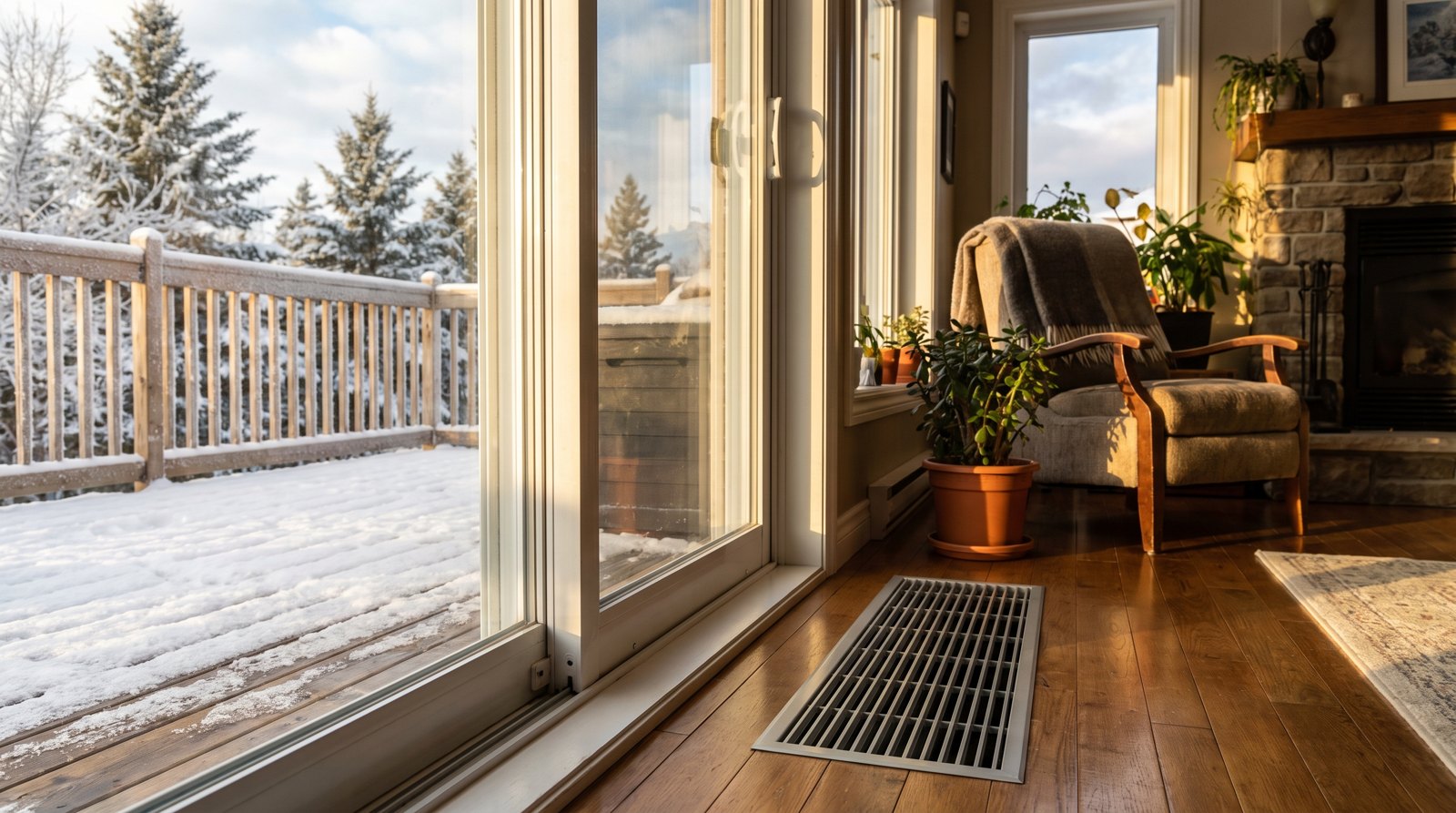
A light layer of frost that disappears after a defrost cycle is normal for a heat pump. A thick layer of ice that persists, coats the coil, or blocks the fan should be checked by a qualified professional.
Key points
- Temporary frost is normal: the defrost cycle triggers at 30, 60, or 90-minute intervals depending on conditions and the installation.
- Persistent ice is abnormal: if it remains between cycles, something is preventing the system from defrosting.
- The most likely cause is external: accumulated snow, water from the roof dripping onto the outdoor unit, or obstructions around it.
- You can clear and clean: snow and ice around the unit, and the filters every month.
- A qualified professional handles the rest: refrigerant, electrical components, the defrost board, and the fan.
- Keep it in Heating mode: do not turn it off and avoid Auto mode in winter.
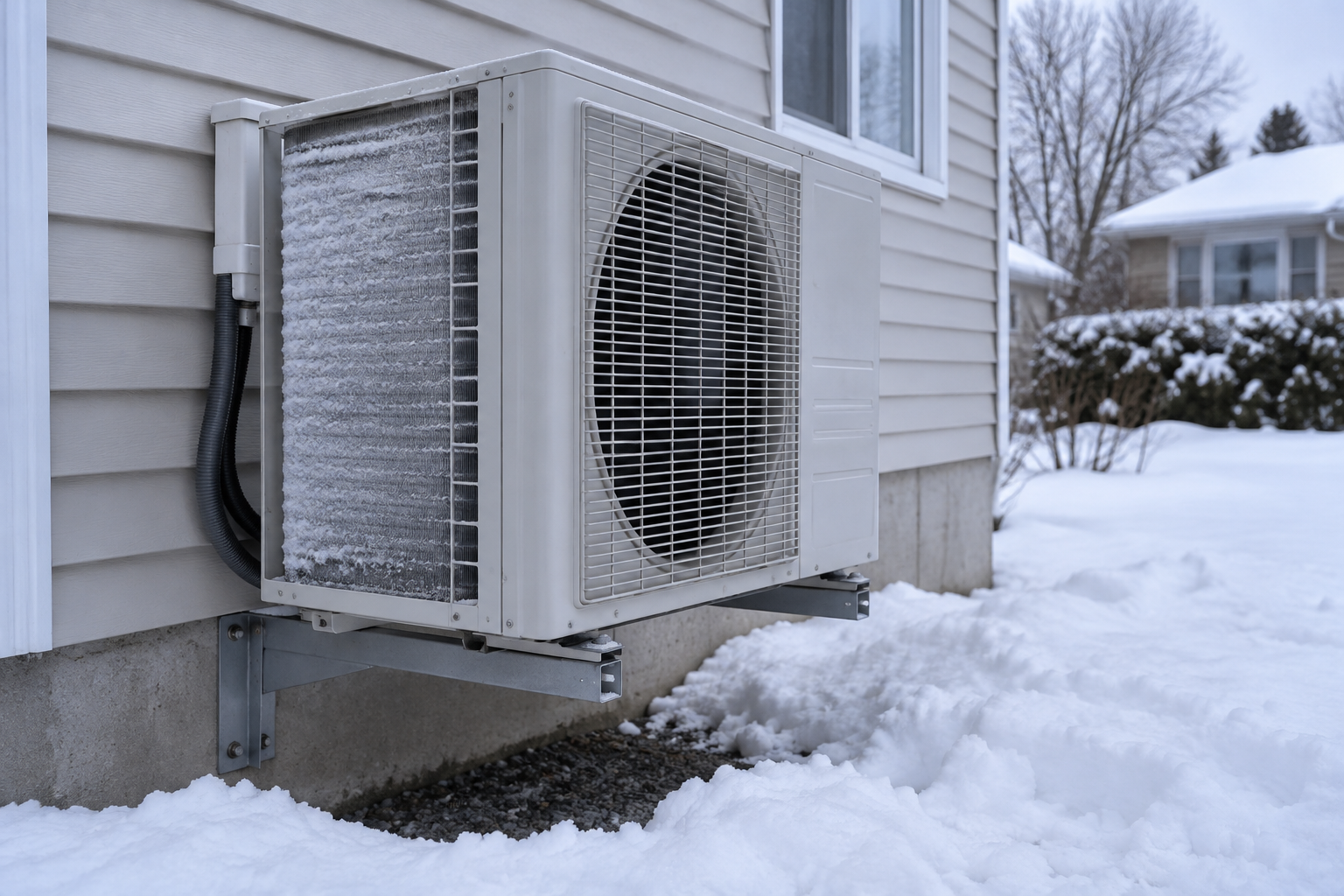
A thin layer of frost and a little steam: the defrost cycle is doing its job.
Normal frost: the defrost cycle explained
A little frost on the outdoor unit is part of the normal operation of a heat pump in winter. The system transfers heat from the outside air to the inside, and the outdoor coil becomes very cold.
Depending on Natural Resources Canada,frost accumulation depends on the outside temperature and the humidity level of the air. This frost reduces the efficiency of the coil, hence the need for regular defrosting.
During the defrost cycle, the reversing valve switches the heat pump to cooling mode. Hot gas then circulates through the outdoor coil to melt the frost. The outdoor fan stops during this operation.
A stopped fan, a little steam, or meltwater under the unit are therefore normal. The on-demand defrosting is generally more efficient than timer-based defrosting, as it only starts when frost buildup warrants it.
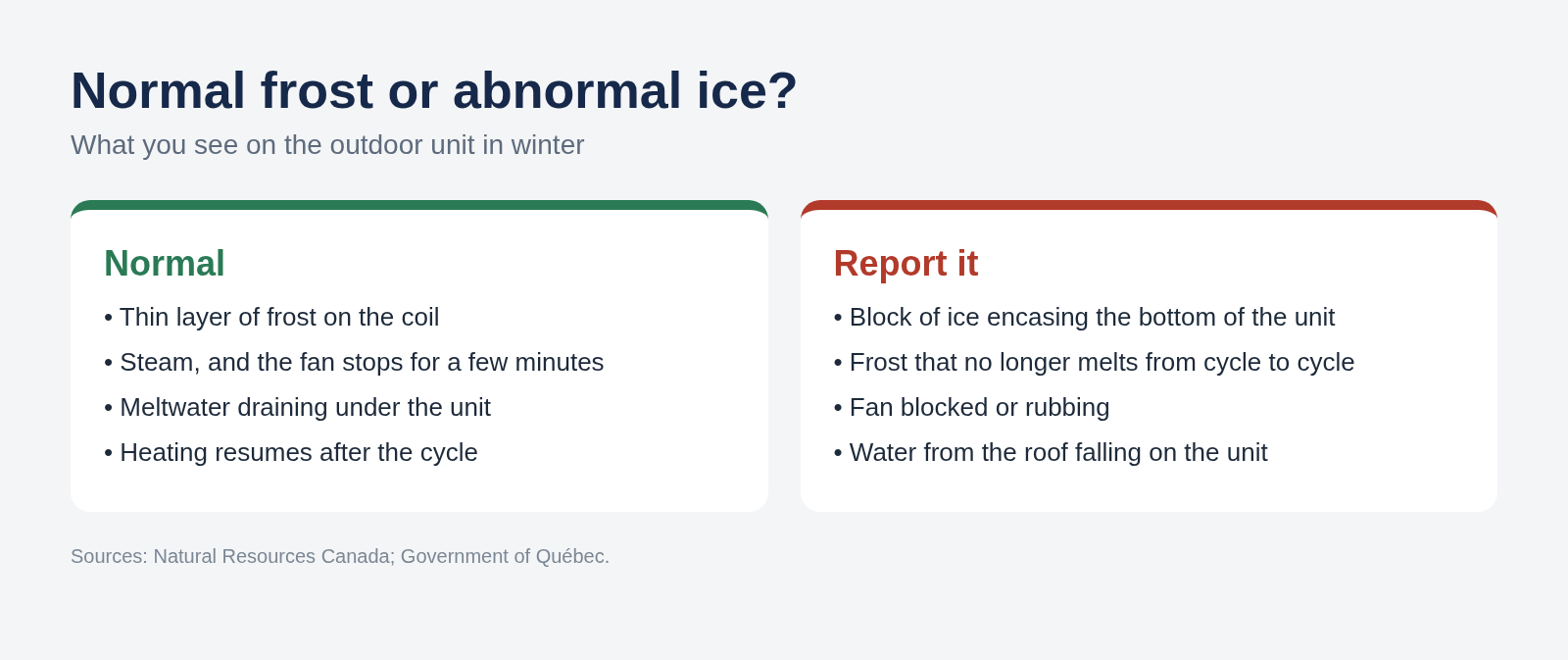
Normal frost vs. ice to report: signs to compare.
Abnormal ice: telltale signs
Ice becomes a concern when it no longer disappears from one cycle to the next. This excessive buildup indicates that the defrost system is no longer working properly or that air is not circulating well.
Watch for these signs on your heat pump:
- A thick layer covering the entire coil.
- A fan trapped in ice or one that is no longer turning.
- Frost that persists despite several defrost cycles.
- Noticeably weaker heating inside.
Also consider the cold. Air-source heat pumps have a minimum outdoor operating temperature, between -15°C and -25°C for recent models. Some high-efficiency models maintain excellent performance down to -25°C or even -30°C. During a very harsh Quebec winter, your electric baseboards will then take over as supplemental heating.
To learn more about how it performs in extreme cold, read our article on whether you can use a heat pump in winter.
The causes, from most likely to least likely
External causes should be checked first, as they are the most frequent and easiest to fix. Technical causes come next.
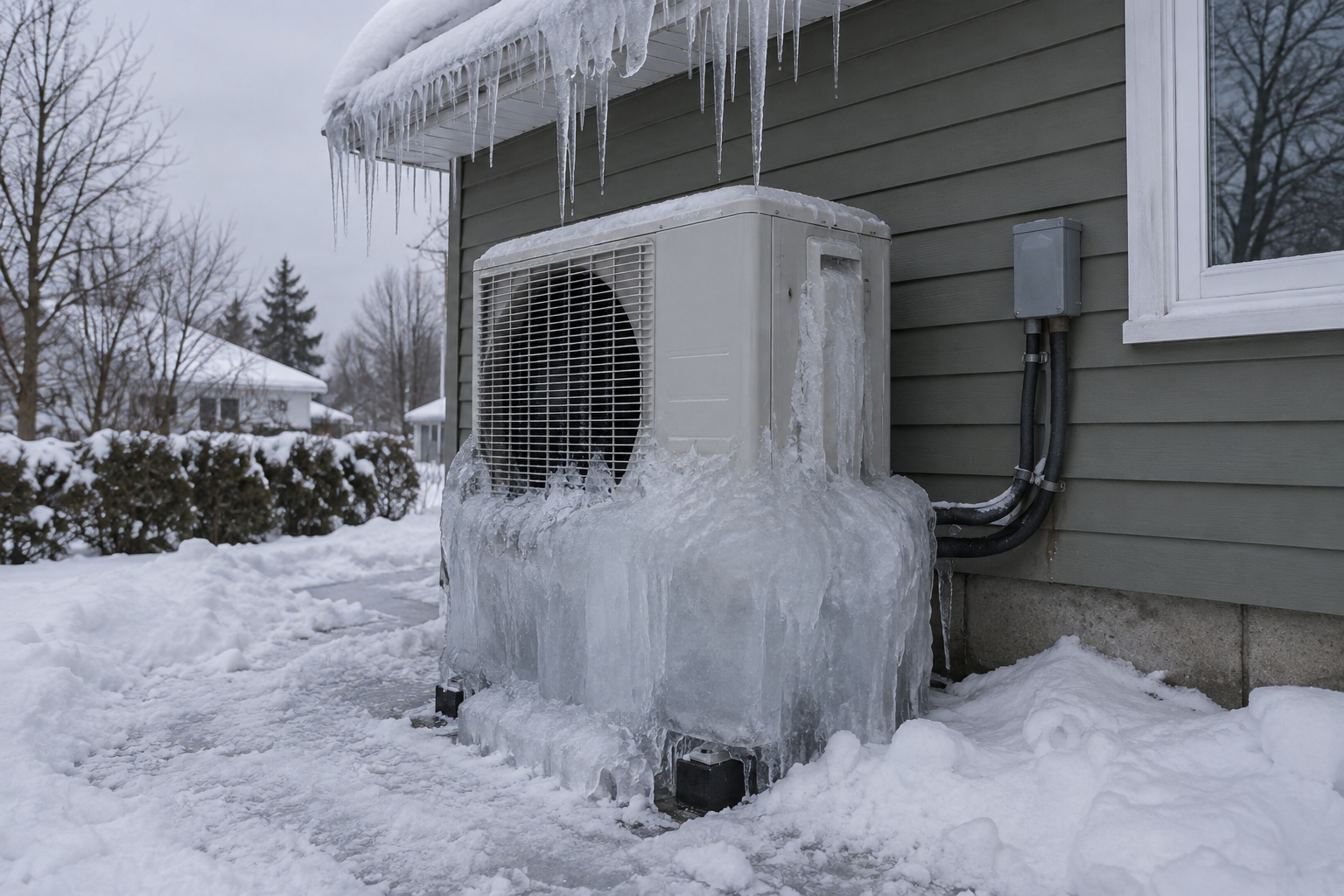
A block of ice under a roof overhang: a situation to correct.
1. Snow and roof runoff
A unit buried under snow or dripped on by the roof will freeze more easily. The Government of Quebec advises that you must ensure that water, snow, and ice from the roof do not fall onto the fan of the heat pump.
Dripping water refreezes on the coil. If the unit is exposed to high winds, windbreaks are recommended.
2. Clogged filters and coils
Dirty filters restrict airflow, causing the coil to frost over more quickly. A clogged filter can reduce the efficiency of an air conditioning or heating system by 10 to 30%.
Filters should generally be cleaned every month, according to the manufacturer's instructions. A clogged condensate drain can also allow water to accumulate. An annual maintenance check helps identify these issues before winter.
3. Defrost cycle failing to trigger
If the area is clear and the filters are clean, the defrost system is the next likely culprit. A faulty circuit board or sensor can prevent the cycle from starting.
Frost then builds up until it turns into ice. This diagnosis requires a qualified specialist, as it involves electrical components.
4. Low refrigerant
Insufficient refrigerant levels cause coil temperatures to drop below normal. Ice then forms abnormally, often accompanied by reduced heating performance.
Refrigerant circulates in a closed loop, so a low level usually indicates a leak. Pressure checks must be performed by a qualified contractor.
5. Fan
A blocked, slow, or defective fan reduces airflow over the coil. You can observe this from the outside without opening anything.
If the blades are not spinning outside of a defrost cycle, call a professional. The compressor is the most vulnerable part of a heat pump, so it is best not to let the problem persist.
Table: symptom, probable cause, what to do
What you can safely do
A few simple tasks are the owner's responsibility. They often resolve icing caused by environmental factors.
- Clear the outdoor unit: remove snow, ice, dead leaves, and vegetation. Hydro-Québec recommends keeping the unit clear.
- Divert roof runoff: check that it does not drip onto the fan.
- Clean the filters every month: replace them according to the manufacturer's recommendations.
- Keep air vents and ducts clean: air must circulate freely.
Regarding settings, choose the Heating mode, never Auto, during the winter. Setting it to 21°C with baseboard heaters 2 to 3°C lower prevents sudden temperature changes. A heat pump operates more efficiently at a constant temperature.
To limit issues, the best time to have your heat pump serviced is at the end of summer, before the heating season.
What you should never do
When faced with ice, the instinct to intervene yourself can damage the system. Avoid these actions:
- Do not use any tools, liquids, or heat sources to dislodge the ice. No official source recommends these methods, and they risk damaging the coil.
- Do not open the unit to touch the refrigerant or electrical components.
- Do not turn off the heat pump: it must run continuously in Heating mode.
- Do not change the target temperature often, as this increases electricity bills.
- Do not attempt a manual defrost: the cycle handles it.
When to call a professional
Call a technician if ice persists after clearing and cleaning. Do the same if the fan remains stationary or if the house is not heating properly.
These situations involve the refrigerant, electrical system, or defrost board, so a qualified professional must handle them. Unusual noise also warrants a diagnosis: see our article on the noisy heat pump.
We serve areas including Laval, Terrebonne , and Blainville, as well as the Laurentians and Lanaudière regions. If your system has reached the end of its lifespan, between 10 and 15 years, a replacement may be worth considering. See our wall-mounted and central heat pumps.
Frequently asked questions about heat pumps and ice
.webp)
Guarantee: No traces, no stress — only lasting results.
5,000+
96%
$6,275
.avif)
.webp)